
By:
Jennifer Ramsrud, MS, RD, CDCES, LD
Lyndi Bertman, RD, LD
Shanell Mannel, RD, LD, CD
GLP-1 medications such as Wegovy, Zepbound and Ozempic continue to change the way people think about weight loss and managing type 2 diabetes. They’re more popular than ever, used by roughly 1 in 8 Americans, and social media is filled with people sharing their dramatic, real-life transformations.
Yet while these medications are a powerful weight loss tool, they work best when combined with a treatment plan that supports your overall health and wellness. That’s where Nutrition and Dietitian Services come in. A registered dietitian can help manage the medication’s side effects and maintain muscle mass by choosing the right foods.
In this article, our team at Northwest Digestive Center explains how GLP-1s work, how they change the way you eat, and where to find personalized nutrition support in North Idaho.
How do GLP-1s change your relationship with food?
GLP-1s replicate a hormone that your body produces naturally to regulate your appetite, digestion, and blood sugar. As a result, you can eat smaller portions at each meal yet still feel satisfied. People who take these therapies also report a reduction in “food noise,” the non-stop worries about when and what to eat.
As your body adjusts to GLP-1 medications, your digestion will slow down. That means you will feel full faster. And if you eat too much food or the wrong kind of food, you may experience side effects, the most common of which are stomach pain, nausea, and constipation.
Avoiding the biggest pitfall of GLP-1 medications
While GLP-1s promote weight loss, they cannot tell the difference between fat and muscle. For this reason, people taking these medicines may sometimes experience a loss of muscle mass, which can lead to decreased strength, lower energy, and a slower metabolism.
Eating balanced meals that include certain key nutrients can counteract this effect. But because people eat fewer calories on GLP-1s than they do without the medication, food choices become even more important.
What to eat (and how often) when taking GLP-1 medications
The key to success with GLP-1s is eating smaller portions and getting a variety of foods. For some people, eating six times a day — three small meals and three snacks — is appropriate. Others may find success with different schedules. No matter how often you eat, you should incorporate these key items.
Protein
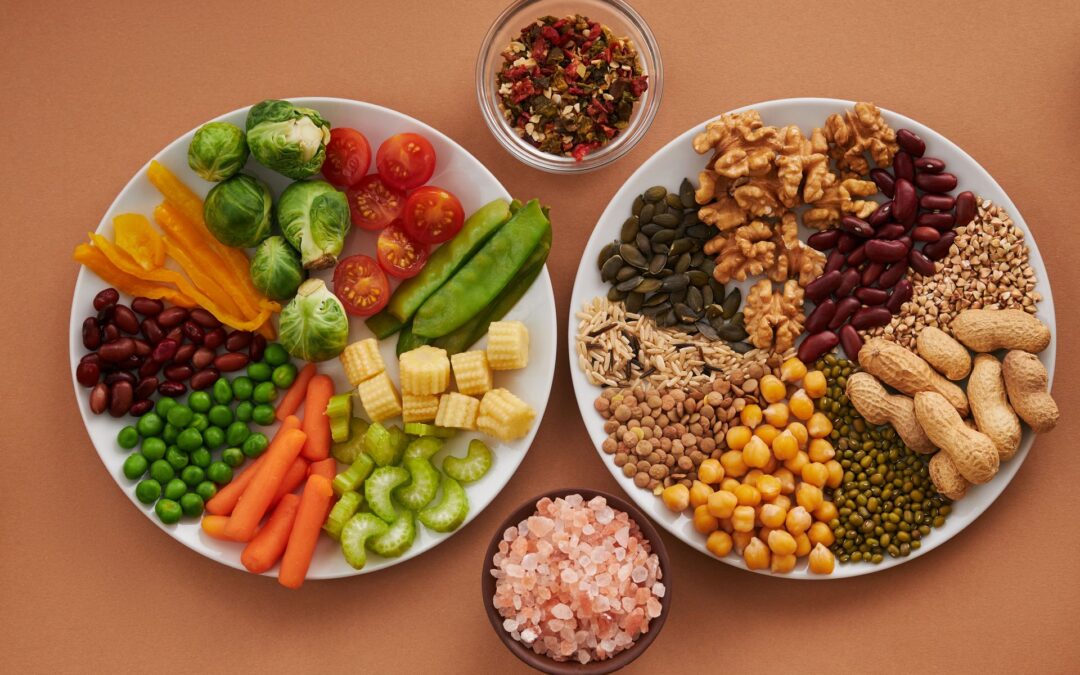
Protein-rich foods help you feel full faster, reducing the likelihood of overeating and associated side effects such as nausea. Healthy proteins include lean cuts of chicken or turkey. Eggs, certain fish (salmon, sardines, tuna), beans, lentils, and cottage cheese are also high in protein. Some people also find success using protein-packed smoothies as snacks or meal replacements.
Fiber
While protein has taken the spotlight on grocery store shelves of late, fiber is just as important for people taking weight-loss medications. Foods rich in fiber promote the growth of beneficial bacteria in the gut, helping you feel full longer. Oats, berries, fruits, vegetables, and whole grains are all good sources of fiber. For some people, adding a Psyllium-based fiber supplement such as Metamucil may be beneficial.
Healthy fats
Monounsaturated fats give your body steady energy and help it absorb more vitamins. Nuts, seeds, olive oil, and avocado all contain healthy fats and work well as part of a meal or a snack.
Water
Some people taking GLP-1s find that as they eat less, they also drink less. That’s why staying hydrated is essential to alleviating constipation and nausea. Aim for 8 to 10 glasses of water a day. Also consider adding water-rich foods like cucumbers and melons to your diet.
In addition to choosing the right foods, a few simple food swaps can help you meet your nutrition goals. Greek yogurt is an ideal substitute for sour cream. Three-quarters of a cup contains just 90 calories and has 18 grams of protein. Snacks like air-fried garbanzo beans with spices can provide a savory crunch in place of fatty foods like potato chips.
What foods should I avoid when on GLP-1s?
It’s best to stay away from high-sugar, ultra-processed foods, such as sweetened breakfast cereals, candy, and soda if you’re using GLP-1s. Fast food and other greasy meals should be avoided, too, as should alcohol. All of these foods and drinks can make nausea and digestion worse while on weight-loss therapy.
The value of GLP-1 nutrition support
Enlisting the help of a registered dietitian while you’re on GLP-1s is like having a personal guide. Together, you and your dietitian can create habits and strategies that will promote healthy weight loss and minimize side effects. Nutrition counseling may include:
- Education on how GLP-1s work
- A meal plan tailored to your unique needs
- Tips to avoid undereating
- Portion control and meal-pacing guidance
- Help with hydration and electrolyte balance
Working with a dietitian can also help you develop long-term strategies to maintain weight loss if you choose to stop taking GLP-1s.
Where to find a registered dietitian in North Idaho
Northwest Digestive Center in Post Falls is home to two registered dietitians and licensed nutritionists: Jennifer Ramsrud, MS, RD, CDCES, LD, Shanell Mannel, RD, LD, CD and Lyndi Bertman, RD, LD . Whether you’re in Spokane, Coeur d’Alene, Hayden, Rathdrum, or St. Maries, our dietitians can work with you to maximize the benefits of GLP-1s, ease the side effects, and build healthy habits that last long after you stop taking the medication.
Our dietitians also provide nutrition counseling to patients with many of the other conditions that may benefit from taking GLP-1s, including kidney disease, heart disease, liver disease, high blood pressure, and metabolic syndrome. We’re here to support your health goals and help you take charge of your life.
Success with GLP-1s takes a team
The registered dietitians at Northwest Digestive Center would be proud to be part of your GLP-1 success story. Call 208-262-0945 to schedule an appointment or learn more about our nutrition services.