
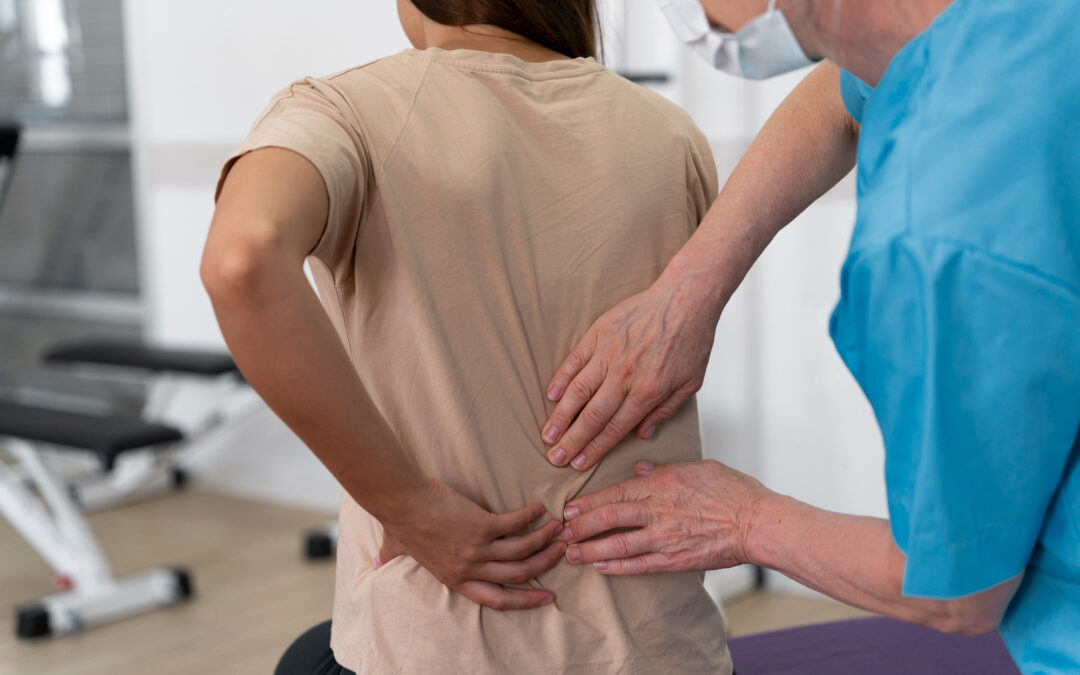
Sometimes, back and neck pain can go away as quickly as they appear. Other times, pain can linger, and make everything difficult, from tying your shoes and washing the dishes to walking to your car.
You don’t have to live with back and neck pain. You might be surprised to learn that surgery isn’t always the solution for spine pain. In fact, in most cases, surgery is a last-resort treatment, recommended only after all other non-surgical approaches have failed.
How do you know whether spine surgery is right for you? In this article, the team from Axis Spine Center will unpack common causes of chronic neck and back pain and explore effective non-surgical treatments. We’ll also review how to know when surgery could be your best option.
Spine pain in North Idaho: It’s a serious concern
More than three out of four people nationwide will experience low back pain at some point in their lives, according to the American Association of Neurological Surgeons. Here in Kootenai County, about 40% of residents surveyed in the 2018 Panhandle Health District’s Community Health Assessment said that joint or back pain was their top health challenge.
Unfortunately, the longer a person’s back pain persists, the more difficulties they are likely to experience. A recent analysis shows that about 8.2% of American adults live with chronic severe back pain. Many of these individuals have trouble with mobility and self-care. They also struggle to participate fully in work and social activities.
Neck pain also happens frequently nationwide, affecting anywhere between 30% to 50% of adults in any given year. Between 3.1% and 4.5% of people experience chronic neck pain, which can also lead to difficulties working and staying active.
Common causes of back and neck pain
Back pain can stem from multiple causes, including overuse, muscle spasms, strains or sprains, muscle or ligament tears, and joint problems such as arthritis. Herniated discs, spinal stenosis (a narrowing of the spinal canal), and sciatica (when pain radiates from your back to your legs) are problems that sometimes require surgery.
Neck pain may occur from injury, muscle damage, age-related disorders, or inflammatory conditions such as arthritis. Like back pain, neck pain can also be triggered by herniated discs or degenerative disc disease.
Surgical vs. non-surgical back pain treatment
When considering the best treatment for chronic spine pain, there is no one-size-fits-all approach. In fact, at Axis Spine Center, a division of Northwest Specialty Hospital, we’ve found that our patients have the best results from conservative, non-surgical treatments available right here in the Inland Northwest. When combined with over-the-counter medications like anti-inflammatory medications, these conservative approaches can bring considerable benefits.
Physical therapy
Physical therapy focuses on improving flexibility in specific areas of the spine while also strengthening the muscles around the spine for better support. At Axis Spine Center, we use evidence-based treatments, emphasizing hands-on therapy to increase your mobility, minimize wear and tear, ease your neck and back pain, and prevent further injury.
Interventional pain management
This conservative spine care approach uses an array of techniques to treat the root cause of pain on an outpatient basis. Interventional pain management options for neck and back pain include:
- Cervical or lumbar facet injection aimed at reducing or eliminating neck (cervical) or back (lumbar) pain and increasing range of motion
- Cervical or lumbar epidural steroid injection designed to reduce inflammation in the neck or back
- Cervical or lumbar medial branch block aimed at halting the transmission of pain signals from the affected joints in the back and neck
- Cervical or lumbar radiofrequency ablation (RFA), which uses radiofrequency energy to disrupt nerve function and interrupt pain transmission to the brain
Regenerative medicine (platelet rich plasma injections)
One of the most innovative and promising non-surgical treatments, regenerative medicine uses substances (orthobiologics) that come from the body’s natural source to promote healing. These orthobiologics, which include platelet-rich plasma (PRP), bone marrow aspirate, and microfragmented fat, decrease inflammation and promote healing, helping to bring relief from neck and back pain.
Weight management
People who live with excess weight may experience chronic back or neck pain due to added strain their weight places on the spine. Jessica Jameson, MD, a fellowship-trained interventional pain physician and co-founder of Axis Spine Center, was also the first physician in North Idaho who is board-certified in obesity medicine. She and the team at Axis focus on the four pillars of healthy weight—nutrition, physical activity, behavior, and medications—to help people with obesity lose weight and ease their spine pain.
How to know whether spine surgery is right for you
Individuals should only consider spine after all conservative treatments have failed to bring significant relief from neck and back pain. Individuals considering surgery should also carefully weigh the risks with the potential benefits. Surgery is more likely to be an option if you have:
Persistent pain that significantly impacts your daily function and has not improved with over-the-counter medications or non-surgical options
Neurological problems associated with back or neck pain, such as numbness, significant weakness, trouble walking, or loss of bowel or bladder control
Spinal deformity issues such as an abnormal curvature of the spine (scoliosis) or bones that grow incorrectly due to an underlying condition or disease
If you have any of the above issues, make an appointment with a spinal specialist who can help you make the best decision possible.
Where to find state-of-the-art spine treatments in North Idaho
Axis Spine Center is the only comprehensive spine care group in the Inland Northwest. Our board-certified, fellowship-trained surgeons are backed by a team skilled in the latest conservative techniques, including interventional pain management, regenerative medicine, physical therapy, weight management, smoking cessation, and osteoporosis management.
We are committed to empowering patients to achieve their goals and live a higher quality of life through increased daily function. And with our location being in Post Falls, we’re close to home. To make an appointment, call us today at 208-457-4208.